

Which type of denture do I need?
Full and partial dentures
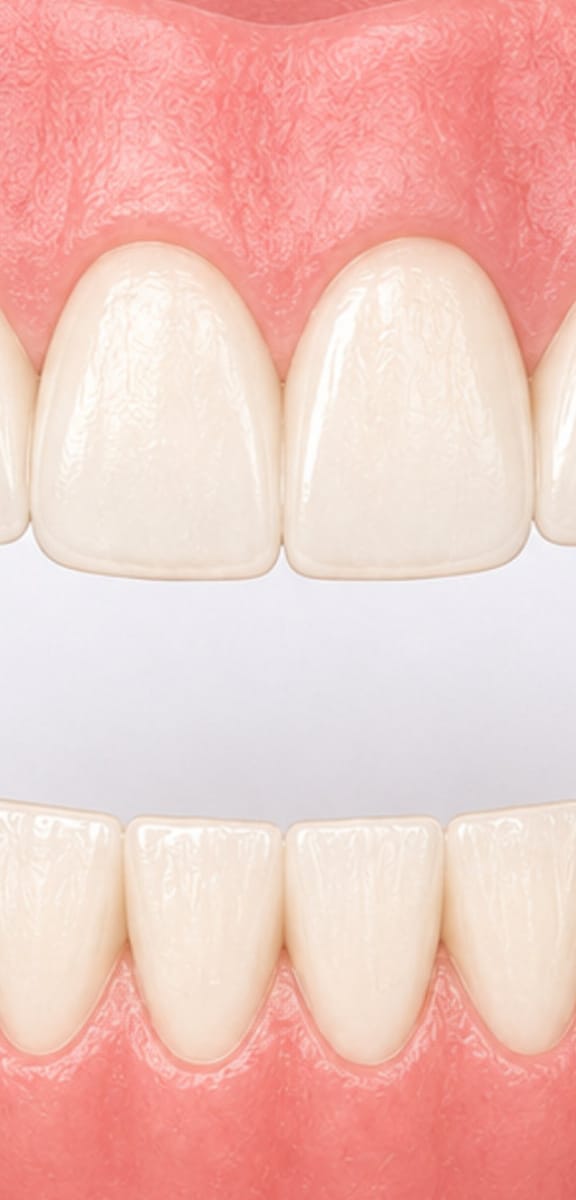
A full denture replaces all teeth in an upper or lower arch. A partial denture replaces some missing teeth while other teeth remain. Both are removable appliances made to fit the mouth.
Planning with our team
At Tomlinson Dental, we assess remaining teeth, gums, and your current denture if you have one. Tell us what is difficult: eating, speech, appearance, soreness, or keeping the appliance in place.
Sources: ADA: Dentures
How are dentures made and fitted?
Agree on the plan
We discuss the teeth to be replaced and any treatment needed first. If extractions are planned, ask what you can wear while the tissues heal.
Record the mouth and bite
Impressions or other records guide the shape, bite, and tooth arrangement. The stages depend on the denture type; discuss opportunities to review the appearance.
Fit and adjust
The denture is fitted and checked. Adjustment visits help address sore spots and fit as you adapt. Healing can change the shape of the supporting tissues.
Sources: ADA: Dentures
What affects denture costs?
Full and partial dentures differ in design and materials. Extractions, immediate dentures, relines, and implant treatment can add separate stages and fees.
Ask which adjustments are included and whether a temporary or immediate denture will need relining or replacement after healing.
Payment and dental benefits
We accept cash and cards. Third-party financing is available, subject to approval.
Although we are not contracted with any dental insurance company, we gladly help submit claims so your provider can reimburse you directly. Payment is due in full at the time of service; we do not provide insurance estimates.
Review insurance and payment optionsRemovable dentures and implant support
| Consideration | Conventional denture | Implant-supported option |
|---|---|---|
| Support | Gums and, for some partials, remaining teeth | Implants provide additional support or retention |
| Treatment | No implant surgery | Requires implant assessment and surgery |
| Cleaning | Remove and clean as instructed | Depends on whether the design is removable or fixed |
| Maintenance | Adjustments, relines, or replacement | Attachment and implant maintenance as well as denture care |
Implant support is not suitable for everyone. We can discuss implant-supported dentures if stability is a concern.
Sources: ADA: Dentures
Adjusting to a new denture
A new denture can feel unfamiliar. Speaking and chewing may take practice, and sore spots need review. Start with manageable foods as advised and tell us where the denture rubs or moves.
Do not file or reshape it yourself. A loose denture should be checked rather than managed indefinitely with increasing adhesive. Your mouth changes over time, so ongoing fit checks matter.
Sources: ADA: Dentures
Denture care questions
Follow your dentist’s instructions. Removable dentures are generally taken out to give the tissues a rest, but instructions can differ immediately after extractions.
Sources: ADA: Dentures
Use a denture brush and suitable cleaner as directed. Clean your mouth and remaining teeth too. Avoid hot water that can distort the appliance, and follow the material-specific storage instructions.
Sources: ADA: Dentures
Contact the office and keep the pieces. Avoid household glue or trying to bend clasps; repair or replacement needs assessment.
Wear and changes in your mouth can affect fit. A reline, adjustment, repair, or new denture may be appropriate depending on the problem.
Related restorative care


Discuss Your Denture Needs
Bring your questions and your current denture, if you have one. We’ll discuss fit, comfort, and replacement options.
3907 North Boulevard, Tampa, FL 33603
Find us in Tampa, FL


Medically reviewed by Angella Tomlinson, DDS, PA